
Motorcycles & Rider Accessories
Bought with the heart, justified with the spec sheet
Motorcycling is a discretionary, emotionally-driven purchase in a category where riders are highly informed, deeply tribal about brands, and — on gear and safety — entirely rational. Marketing has to work on both registers at once.
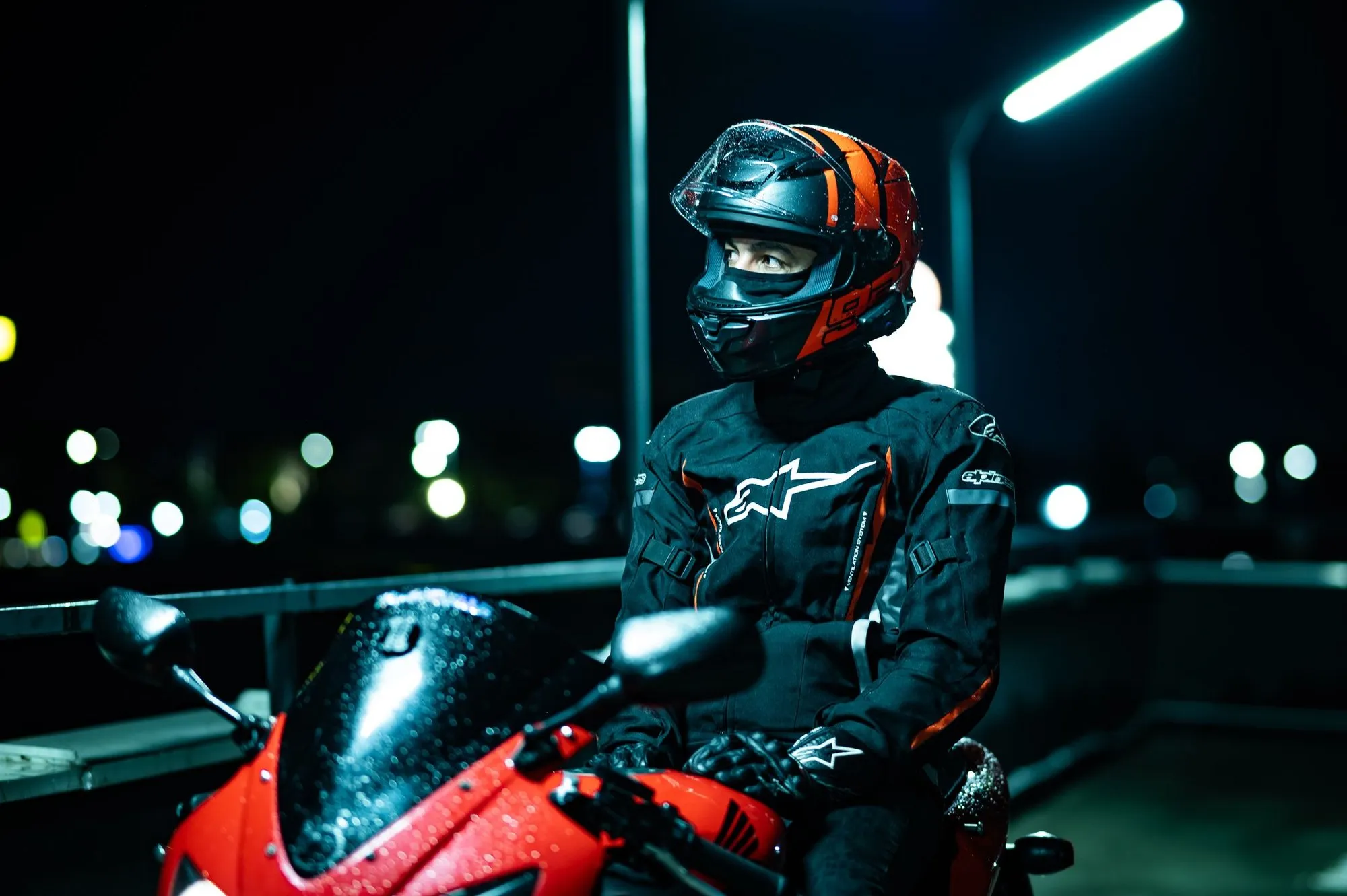
The market
A passion purchase with a rational safety argument attached.
Who we work with
- Motorcycle brands, importers and distributors
- Motorcycle dealerships and dealer groups
- Riding gear and apparel brands
- Helmet, protection and safety equipment brands
- Parts, accessory and performance suppliers
- Electric motorcycle and scooter brands
The motorcycle market shares plenty with automotive and almost nothing with it culturally. Segments are sharply defined and largely non-overlapping: learner-approved, sport, naked, adventure and touring, cruiser, and increasingly electric commuter. A rider’s identity is bound up in that segment choice, and messaging that blurs the lines lands with nobody.
Gear and accessories run on a different logic again. Helmets, jackets, gloves, boots and armour are safety purchases with genuine standards behind them — Australian and European certification, ratings and testing that riders take seriously and research thoroughly. The most effective marketing here is unusually informational: what the rating means, what it protects against, what the trade-offs are.
Electric is arriving in this category too, currently strongest in urban commuting and the scooter and delivery segment, with electric performance and adventure product following. It is early enough in Australia that the positioning is still open — and our EV work transfers directly.
What gets in the way
The problems that actually cost money here
Not a list of generic marketing complaints. These are the specific failure points we see repeatedly in this market.
-
Segments that do not blend
Adventure, cruiser, sport and learner audiences want genuinely different things. One campaign across all of them reads as a campaign for none of them.
-
Learner pathways and licensing
LAMS regulation shapes the entry market and the upgrade cycle. Marketing that maps to the licensing journey captures riders at the point they are actually buying.
-
Safety marketing without fear-selling
Gear is bought on protection, but riders reject moralising and scare tactics. The credible route is straight information about standards, ratings and real-world trade-offs.
-
Sharp seasonality
Riding and buying activity swings hard with weather and season. Flat annual budgets waste money in the trough and under-invest in the peak.
-
Small, tight-knit, highly vocal communities
Rider communities are close, opinionated and long-memoried. Credibility is earned slowly through genuine involvement and lost quickly through a single tone-deaf campaign.
Motorcycle segment growth, Q1 2026 vs Q1 2025
Year-on-year change in FCAI-audited unit sales. The growth is concentrated almost entirely in off-road and children's bikes.
Total market is the benchmark, not a segment. Road motorcycles are not shown: the comparable figure available is a 0.5 per cent decline across the first half, a different period to the segment data above, and mixing the two would misstate it.
View as table
| Segment | Change |
|---|---|
| Light trail | +131% |
| Kids | +32% |
| Off-road (all) | +26.7% |
| Scooters | +7.8% |
| Total market (benchmark) | +7.4% |
| Road motorcycles (H1 2026) | −0.5% |
Source: FCAI motorcycle sales data, 2026
How we help
What we actually do about it
Segment-specific campaign strategy
Distinct positioning and creative per rider segment rather than a blended average.
Learner-to-upgrade lifecycle marketing
Activity mapped to the licensing pathway, capturing riders at each upgrade point.
Gear and safety content
Standards, ratings and protection explained clearly — the content that actually sells protective equipment.
Seasonal media planning
Budget weighted to the riding calendar, with off-season activity aimed at research rather than conversion.
Rider community and creator partnerships
Working with riders and channels that hold genuine standing inside each segment.
Ride days, shows and demo programmes
Demo rides and events run properly, with capture and follow-up designed in.
Services
Disciplines we bring to this market
Engagements are usually a combination rather than a single line. Start wherever the biggest gap is.
Questions
Straight answers
Is motorcycle marketing really that different from automotive?
The media mechanics rub along similarly. The culture does not. Segment identity, community norms and the emotional register are different enough that automotive creative dropped into a rider audience usually falls flat.
Do you cover electric motorcycles and scooters?
Yes — it is a natural overlap of our EV specialism and this category, and it is early enough in Australia that the positioning is still genuinely open.
Also
Other markets we work in
Next step
Marketing motorcycles & rider accessories? Let’s talk.
Tell us what you sell and where the growth has stalled. We will tell you honestly whether we are the right agency for it.